


Helping you regain strength, confidence and quality of life during and after cancer treatment
Receiving a cancer diagnosis can feel overwhelming. With treatment, many people experience changes in their energy levels, strength, mobility, balance and confidence.
Exercise therapy has become an important part of modern cancer care. Research consistently shows that appropriately prescribed exercise can help people manage treatment-related side effects, improve physical function and support a better quality of life during and after cancer treatment.
As a registered biokineticist with additional training in Exercise Oncology, I tailor your exercise program to your diagnosis, treatment plan and personal goals. Working alongside your treating doctor to ensure that your rehabilitation is both safe and appropriate for your stage of treatment.
What is Cancer Rehabilitation?
Cancer rehabilitation is exercise and movement during your cancer journey to improve physical function, reduce the impact of treatment-related side effects and helps to return to the activities that matter most to you.
It is not about pushing through fatigue or returning to intense exercise too quickly.
Instead, rehabilitation focuses on helping you move safely, rebuild strength gradually and improve your overall wellbeing at a pace that is appropriate for you.
Exercise programs are adapted according to your medical history, current treatment and daily energy levels.
Who Can Benefit?
Cancer rehabilitation may benefit people who are:
- Newly diagnosed and preparing for treatment (building base line measurements)
- Recovering after surgery
- Receiving chemotherapy, immunotherapy or radiation therapy
- Living with persistent fatigue
- Experiencing muscle weakness or loss of fitness
- Returning to work or daily activities
- Living with or beyond cancer and wanting to improve long-term health
No previous exercise experience is required.
How Can Exercise Help During and After Cancer Treatment?
Research over the past two decades has transformed our understanding of the role of exercise in cancer care.
Current international guidelines recommend that exercise should be considered an important component of supportive cancer treatment for many people.
Research has shown that appropriately prescribed exercise may:
- Reduce cancer-related fatigue (one of the strongest evidence-based benefits)
- Improve physical function and independence
- Maintain muscle mass and strength during treatment
- Improve cardiovascular fitness, particularly during and after chemotherapy
- Improve quality of life
- Reduce anxiety and depression
- Improve tolerance to cancer treatment
- Support long-term health after treatment
Emerging research also suggests that physically active people with certain cancers may experience improved treatment outcomes and lower risks of cancer recurrence compared with inactive individuals.
Exercise is not a treatment for cancer itself, but it is recognised as an important part of comprehensive cancer care.
Understanding Your Starting Point
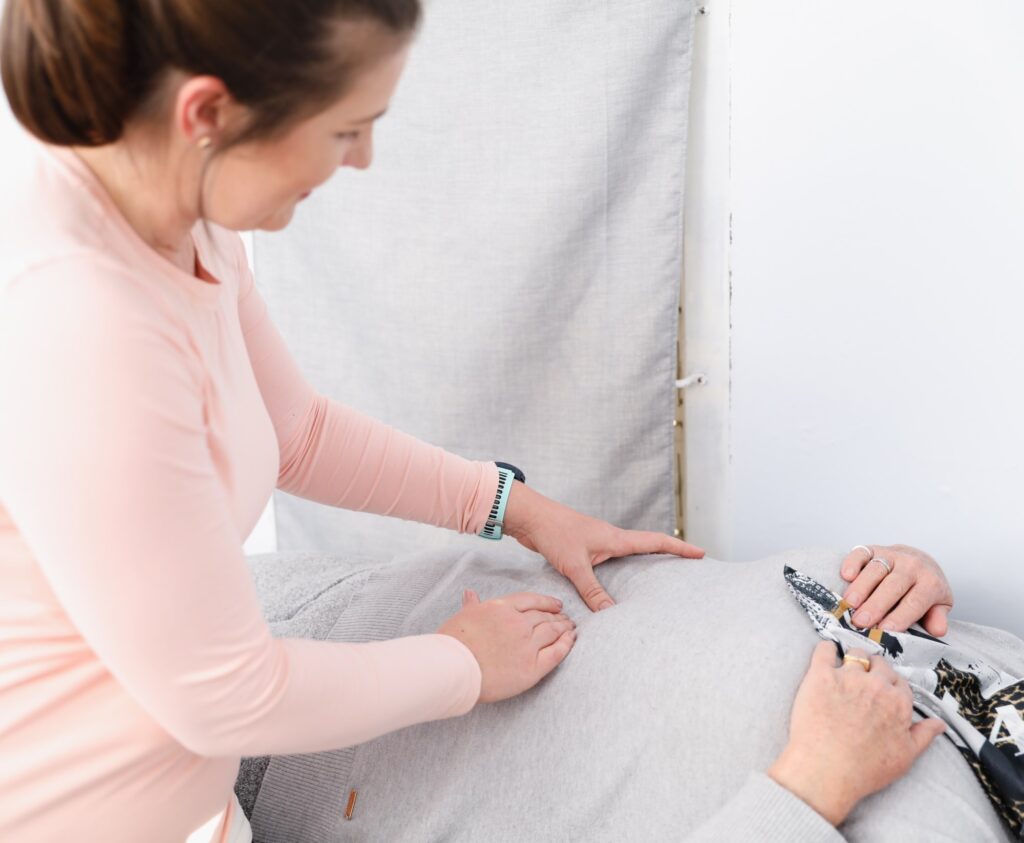
No two people experience cancer or cancer treatment in the same way. Before beginning an exercise program, it is important to understand your current health, physical function and personal goals. Your assessment allows us to prescribe exercise safely, monitor your progress over time and tailor your rehabilitation to your individual needs.
Depending on your medical history and stage of treatment, your assessment may include:
- Functional movement
- Balance and mobility
- Strength assessment
- Cardiovascular fitness
- Body composition
- Fatigue and symptom assessment
- Lifestyle and activity levels
Not every assessment is appropriate or required for every patient. Your program is always individualised according to your diagnosis, treatment and current health.
Why Do We Assess Cardiovascular Fitness?
Cancer treatments such as chemotherapy, targeted therapies and radiation may affect the cardiovascular system and reduce overall fitness.
One of the most valuable measurements we use is an estimate of your cardiorespiratory fitness (VO₂).
Cardiorespiratory fitness reflects how efficiently your heart, lungs and muscles work together to deliver oxygen during physical activity.
Research has shown that maintaining or improving cardiorespiratory fitness is associated with:
- Improved physical function
- Greater independence in daily activities
- Better tolerance to cancer treatment
- Reduced fatigue
- Improved cardiovascular health
- Better long-term health outcomes
The assessment is used to prescribe exercise at the correct intensity and to monitor your progress throughout rehabilitation.
Our goal is never to push you beyond your limits, but rather to help you improve safely and gradually.
Why Do We Measure Body Composition?
Body weight alone does not tell us how your body is responding to treatment.
Cancer and its treatment may lead to changes in:
- Muscle mass
- Fat mass
- Bone health
- Hydration status
Monitoring body composition helps us understand these changes and guides your rehabilitation program.
Muscle Mass
Maintaining muscle is important for strength, mobility, independence and recovery during and after cancer treatment.
Loss of muscle mass may contribute to fatigue, reduced physical function and increased difficulty performing everyday activities.
Strength training plays an important role in preserving and rebuilding muscle where appropriate.
Fat Mass
Changes in body fat may occur during or after treatment.
Rather than focusing on weight alone, we aim to improve overall body composition through appropriate exercise and healthy lifestyle habits.
Bone Health
Some cancer treatments, including hormone therapies commonly used in breast and prostate cancer, may affect bone density over time.
Weight-bearing and resistance exercise are recognised as important strategies for supporting bone health alongside your medical treatment.
Monitoring Progress
Recovery is rarely a straight line.
Throughout your rehabilitation we may repeat selected assessments to monitor your progress and adapt your program as your treatment and health change.
Rather than focusing on one number, we look at the bigger picture and how all the results fit together.
Every improvement – whether it is walking further, climbing stairs more easily or feeling less fatigued – is an important step towards recovery.
|
We Assess |
Why It Matters |
|
Strength |
Supports independence and everyday function |
|
Mobility |
Helps identify movement limitations |
|
Balance |
Reduces falls risk and improves confidence |
|
Cardiorespiratory Fitness (VO₂) |
Guides safe aerobic exercise and tracks endurance |
|
Body Composition |
Monitors muscle, fat and bone-related changes during treatment |
|
Fatigue |
Helps tailor exercise to your daily capacity |
|
Physical Activity |
Supports long-term health and recovery |
Your Exercise Programme
No two people experience cancer in the same way.
Your programme will be individually designed based on:
- Your cancer diagnosis
- Current and previous treatments
- Medical recommendations
- Current symptoms
- Fitness level
- Personal goals
- Daily energy levels
The aim is to help you remain as active, strong and independent as possible while respecting the challenges of treatment and recovery.